
Can You Get a Home Improvement Loan for a Pool?
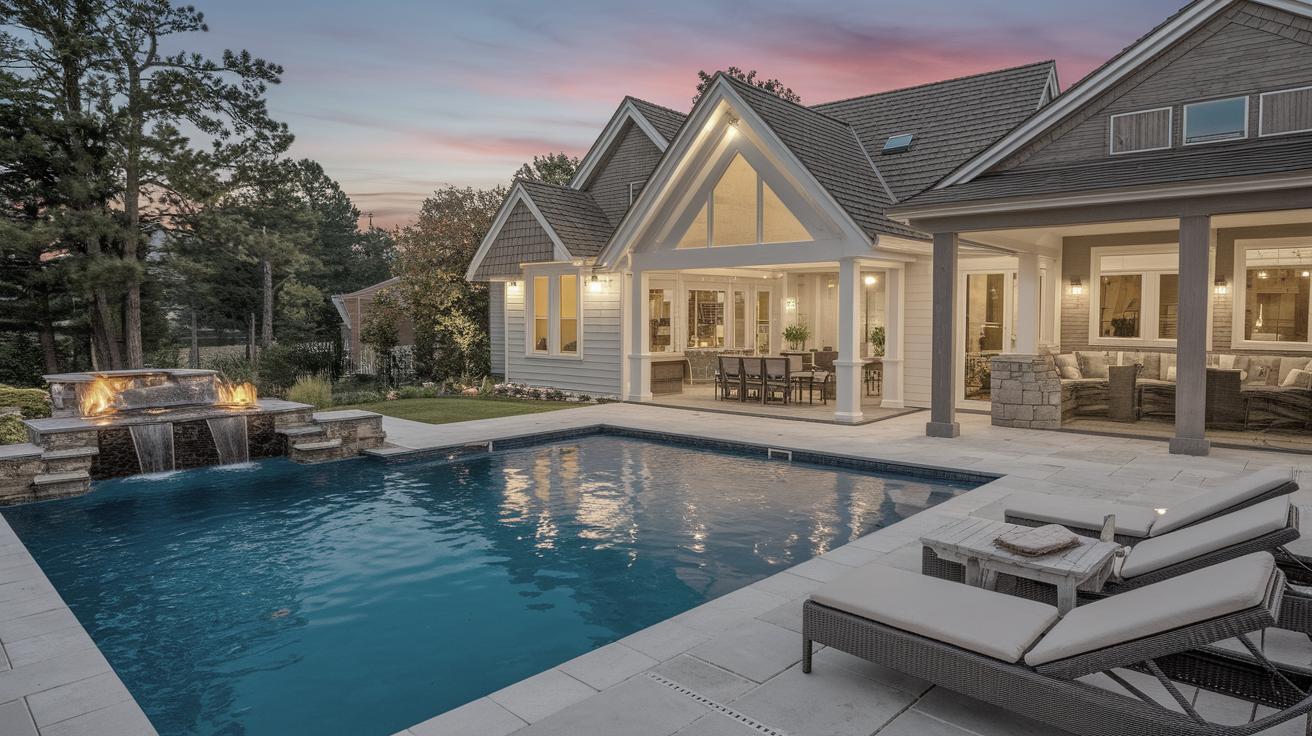
Installing a swimming pool in your backyard can transform your outdoor space into a paradise of leisure and fun. Whether you envision your family splashing around during summer afternoons or hosting fabulous poolside parties, a pool can add both enjoyment and value to your home. However, pools come at a hefty price. If you’re wondering whether you can get a home improvement loan for a pool, this article will explore the various financing options available. We’ll cover key considerations for financing, break down typical pool costs by material and size, and offer additional insights through cost analysis. By the end, you’ll be equipped with the knowledge to make a savvy financial decision for your pool project.
How to finance a pool: 4 options
1. Home equity loan
One common way to finance a swimming pool is through a home equity loan. This option allows homeowners to borrow against the value of their home equity, providing a lump sum of cash upfront. Home equity loans typically come with fixed interest rates, which means your payments will remain consistent over time. This stability can be beneficial for budgeting, as you’ll know exactly what your monthly payment is.
However, to qualify for a home equity loan, you need substantial equity in your home; most lenders require at least 15-20%. Additionally, using your home as collateral means there’s a risk of foreclosure if payments are not kept up. Therefore, it’s crucial to carefully evaluate your financial situation and ensure that you can manage the loan payments comfortably.
2. HELOC
A Home Equity Line of Credit (HELOC) is another option for securing funds for a pool. Unlike a home equity loan, a HELOC operates more like a credit card, providing a revolving line of credit that you can draw from as needed. This flexibility can be ideal for pool projects, as you can access funds across different stages of construction and installation.
HELOCs usually have variable interest rates, which can be both advantageous and risky; payments can fluctuate with rate changes. Additionally, HELOCs often have a draw period (10 years, for example) followed by a repayment period, so it’s important to understand the terms thoroughly. As with a home equity loan, your home serves as collateral, so defaulting on payments can have serious consequences.
3. Personal loan
Personal loans are another route to consider for pool financing. They typically don’t require collateral, meaning you don’t need to risk your home to finance your pool. Approval and funding can also be relatively quick, making it a convenient choice if you want to start your project soon.
However, personal loans often come with higher interest rates compared to home equity options and usually have shorter repayment periods. Because these loans are unsecured, lenders compensate for the increased risk with higher costs. Before opting for this route, it’s advisable to shop around for favorable terms and ensure the monthly payments fit within your budget.
4. Swimming pool loan through the dealer
Some pool dealers offer specialized loans directly through their companies or third parties affiliated with them. These loans are tailored for customers specifically purchasing pool installations, providing a straightforward process for those already working with a pool dealer.
Swimming pool loans through dealers often offer competitive rates and flexible terms tailored to your project’s timeline. However, it’s essential to compare these offers with other financing options to ensure you’re getting the best deal. Always read the fine print and be clear on repayment terms before committing to the dealer’s financing offer.
Other considerations when financing a swimming pool
When planning to finance a swimming pool, consider the total cost beyond just the initial installation. There are yearly maintenance costs, insurance adjustments, and potential increases in your monthly utility bills due to the pool’s upkeep. Factoring in these ongoing expenses is crucial in evaluating your budget feasibility.
It’s also wise to check how a pool might influence your home’s value. While pools can be attractive features in warmer climates, they don’t universally add value. Research your local market; in some cases, buyers may view a pool as a liability due to maintenance costs and safety concerns, potentially affecting resale value.
How much does an in-ground pool cost?
Cost by material
The cost of an in-ground pool varies significantly based on materials. Generally, concrete pools are the most expensive due to their durability and customization flexibility. Vinyl liner pools offer a middle-range cost, providing a smooth finish without breaking the bank. Fiberglass pools often present an attractive option with lower maintenance needs and moderate installation costs.
Each material comes with its pros and cons. For instance, while concrete allows for custom shapes and designs, vinyl needs liner replacements every few years, and fiberglass limits creativity but requires less chemical balance management. Understanding these material distinctions can help you weigh upfront costs against long-term benefits and upkeep expenses.
Cost by size
Size is a critical factor in determining a pool’s cost. Naturally, larger pools require more materials and labor, directly influencing the price. Additionally, the scale of excavation and leveling work needed for a bigger pool can further elevate costs.
Choosing the right size depends on several factors, including the intended use, space availability, and how the pool fits into your overall landscape design. Evaluating how much space you need for relaxation, swimming, and play can help determine the optimal size for your budget.
Yearly maintenance cost
The yearly maintenance cost of a swimming pool includes chemicals, cleaning services, and energy costs for heating or filtration systems. Depending on your location and usage frequency, maintenance can range from $500 to $4,000 annually.
DIY pool maintenance can help reduce these costs, but it requires time, effort, and the right knowledge of balancing chemicals and pool cleaning. Alternatively, hiring a professional service ensures your pool remains in top condition but adds to yearly expenses. Weighing these options will help you decide how to manage your pool’s ongoing care.
Bottom line
Building a home swimming pool can be an exciting but financially significant endeavor. Multiple financing options, from home equity loans and HELOCs to personal and dealer-provided loans, can accommodate various budget needs and credit situations. Evaluating your financial situation and considering both installation and long-term maintenance costs is essential to making an informed decision.
Understanding the specific costs associated with different materials and sizes of pools can help guide your choice in a way that aligns with your budget and design preference. Always prioritize thorough research and careful comparison of financing terms to secure the best option for your pool project.
| Financing Options | Pros | Cons |
|---|---|---|
| Home Equity Loan | Fixed interest rates, predictable payments | Requires significant home equity, risk of foreclosure |
| HELOC | Flexible access to funds, revolving credit | Variable interest rates, risk tied to home |
| Personal Loan | No collateral needed, quick funding | Higher interest rates, shorter repayment periods |
| Dealer Financing | Tailored terms for pool installation, competitive rates | May need careful comparison with other offers |
Frequently asked questions
1. Can adding a pool increase my property taxes?
Yes, in many cases, adding a pool can increase your property’s assessed value, which could result in higher property taxes. It’s advisable to check with your local tax assessor’s office to understand the potential impact.
2. What is the best time of year to build a pool?
Building timelines can vary based on region and climate. However, starting a pool project in late fall or early winter could yield savings, as contractors may offer better deals when demand is lower.
3. Do pools add value to all homes?
Pools can be attractive features, especially in warmer climates; however, they don’t universally add value. In some markets, pools may deter potential buyers due to maintenance concerns and safety issues.

